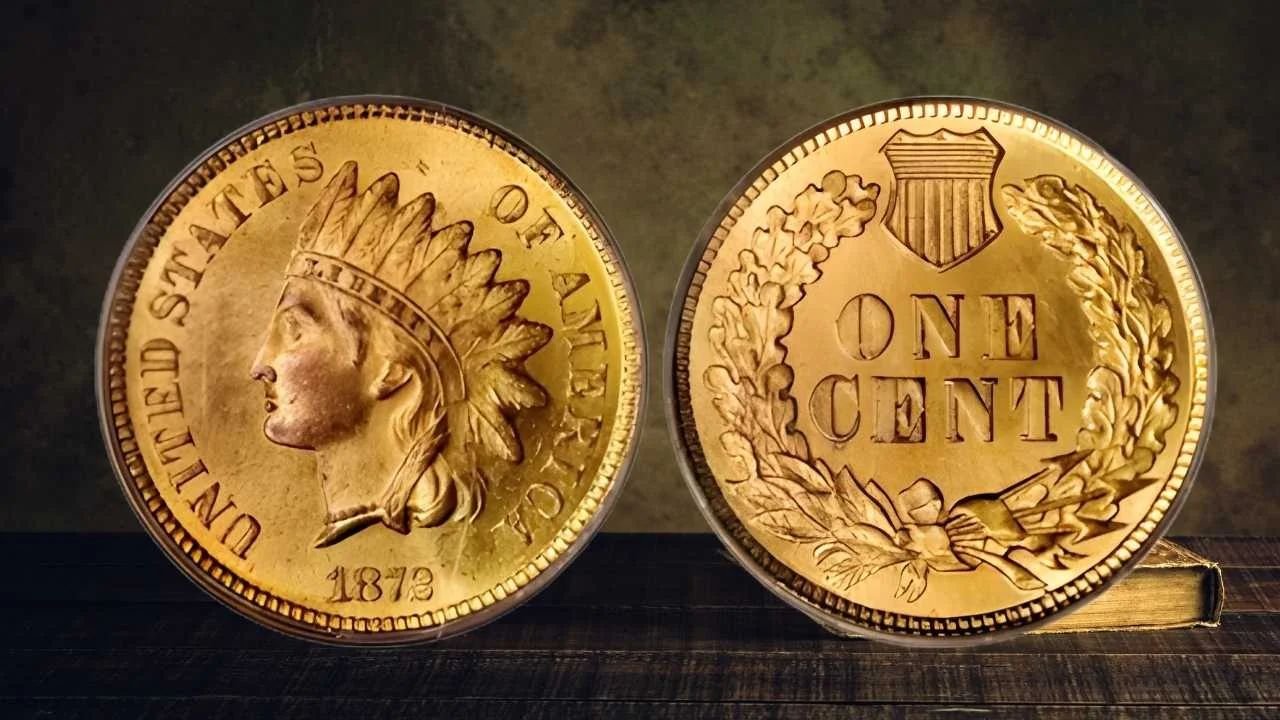
The humble penny may seem insignificant, but certain 20th-century U.S. cents have become legendary in the world of coin collecting. Driven by minting errors, limited production, and historical context, these rare pennies are now worth substantial sums. Collectors worldwide actively seek them, with even a single example commanding six- or seven-figure prices. Here’s a detailed look at the top 10 rare pennies of the 20th century that are highly prized today.
1. 1943 Bronze Lincoln Penny
The 1943 bronze Lincoln penny is perhaps the holy grail of Lincoln cents. During World War II, pennies were struck in steel to preserve copper for the war effort, but a few bronze planchets from 1942 were mistakenly used. With only a handful known to exist, these pennies have sold for hundreds of thousands of dollars, with the rarest specimens exceeding $1 million. Its wartime story and extreme rarity make it an unparalleled collector’s treasure.
2. 1944 Steel Lincoln Penny
Conversely, the 1944 steel penny emerged when leftover steel blanks were accidentally struck after the Mint returned to copper production. These coins are exceptionally rare, prized for both scarcity and their unique place in wartime minting history. Collectors value them as a striking anomaly bridging two major production periods.
3. 1909-S VDB Lincoln Penny
The 1909-S VDB Lincoln penny marks the first year of the Lincoln cent. The initials of designer Victor David Brenner appeared on the reverse but were quickly removed due to public backlash. With a low mintage and high demand, especially in mint-state grades, the 1909-S VDB is among the most iconic and valuable regular-issue pennies of the 20th century.
4. 1914-D Lincoln Penny
Minted in Denver, the 1914-D penny is a key-date in the Lincoln cent series. Relatively low production numbers and widespread circulation mean that high-grade examples are extremely scarce, making this coin one of the most coveted non-error pennies in any serious collection.
5. 1922 No D Lincoln Penny
The 1922 “No D” penny is a fascinating mint error. Produced at the Denver Mint, some coins were struck without a visible “D” mint mark due to worn or polished dies. Genuine examples in strong condition are highly collectible and can fetch impressive sums, illustrating how subtle minting issues can create modern rarities.
6. 1955 Doubled Die Lincoln Penny
The 1955 doubled die penny is famous for its dramatic, unmistakable doubling on the date and lettering. Thousands entered circulation before the error was noticed, but surviving examples in excellent condition are exceptionally valuable. This coin remains a favorite among collectors for its bold visual error and historical significance.
7. 1969-S Doubled Die Obverse Penny
Often mistaken for minor machine doubling, the authentic 1969-S doubled die penny is extremely rare. Doubling is visible on the date and inscriptions, and early examples were even suspected to be counterfeits. Today, certified specimens command six-figure prices at auction.
8. 1972 Doubled Die Lincoln Penny
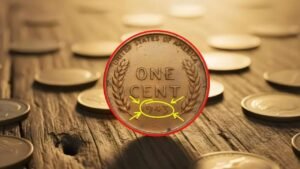
The 1972 doubled die penny features strong doubling on the obverse lettering. While more common than other famous doubled dies, high-quality examples remain highly valuable. Its striking appearance and historical relevance make it popular with both beginner and advanced collectors.
9. 1992 Close AM Lincoln Penny
The 1992 Close AM penny is a modern rarity. On most pennies, the letters “A” and “M” in “AMERICA” are spaced apart. On this variety, the letters are nearly touching—a design intended for proof coins but inadvertently applied to circulation strikes. Very few examples exist, giving this coin surprising value in contemporary collections.
10. 1983 Doubled Die Reverse Penny
The 1983 doubled die reverse penny features noticeable doubling on the reverse inscriptions, especially “ONE CENT” and “UNITED STATES OF AMERICA.” As copper-plated zinc pennies, many 1983 examples deteriorated over time, making well-preserved error coins harder to find. Collectors prize these pennies for both their error and their role in modern Lincoln cent history.
Why These Pennies Are Valuable
The value of these coins stems from more than age. Rarity, condition, and historical significance all play critical roles. Minting errors, low production runs, and unique stories elevate certain pennies above their face value. High-grade preservation further enhances worth, as many circulated heavily before collectors recognized their importance.
Final Thoughts
The 20th century produced some of the most fascinating and valuable pennies in U.S. history. From wartime mistakes to design anomalies and low-mintage issues, these coins demonstrate how even small copper cents can hold enormous financial and historical value. For collectors and casual coin checkers alike, the lesson is clear: always examine your change closely—you never know when a fortune might be hiding in plain sight.