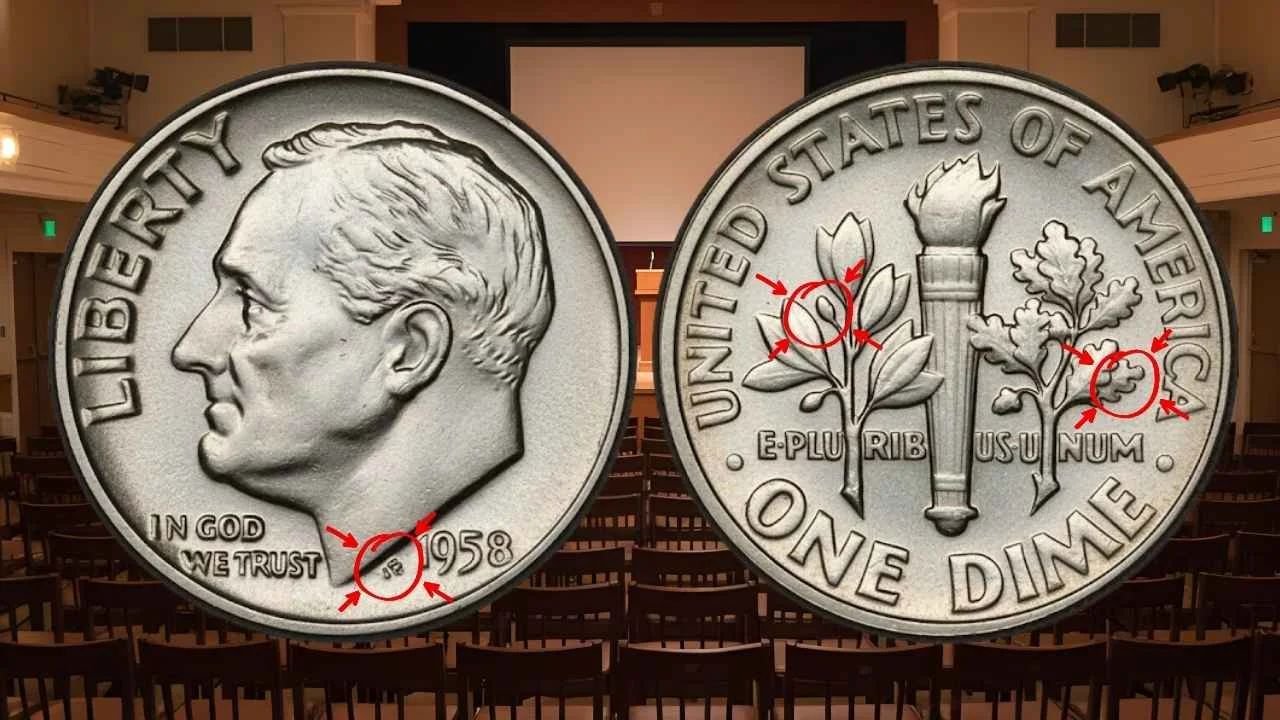
Roosevelt dimes have been a staple of U.S. coinage since their introduction in 1946, honoring President Franklin D. Roosevelt while combining elegant simplicity with enduring historical significance. Though millions have circulated over the decades, only a select few examples are genuinely rare, commanding significant premiums among collectors and investors alike. With growing interest in U.S. numismatics, these standout dimes are gaining renewed attention, making it essential to understand their key features, minting errors, and market value in 2026.
Key Features That Define Rare Roosevelt Dimes
Several factors contribute to the value of a Roosevelt dime. Understanding these elements helps collectors identify potential treasures in circulation or inherited collections.
| Feature | Description | Why It Matters to Collectors |
|---|---|---|
| Year of Issue | 1946–1964 silver era dimes | Earlier issues are rarer in high grades and carry strong historical significance |
| Mint Mark | Philadelphia (no mark), Denver (D), San Francisco (S) | Confirms origin and identifies key varieties |
| Mint Errors | Doubled dies, repunched mintmarks, strike flaws | Errors increase rarity and collector demand |
| Condition | Circulated to gem uncirculated | Higher grades dramatically elevate value |
| Strike Quality | Sharp details on portrait and torch | Enhances visual appeal and desirability |
| Metal Composition | Silver pre-1965, copper-nickel after | Silver adds intrinsic and historical value |
| Market Demand | Strong and growing | Sustains rising auction and resale prices |
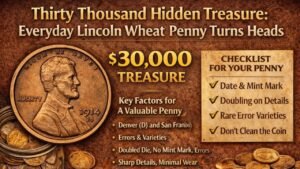
Early Roosevelt dimes minted from 1946 to 1964 dominate the collector market. Key dates such as 1949-S, 1950-S, and 1955-D are particularly desirable when found in excellent condition or professionally certified. Limited surviving examples and post-war historical context make these coins attractive to both advanced collectors and those building mid-level collections.
Mid-Century and Proof Issues: Rising Interest
Roosevelt dimes from the mid-1960s through 1980 are also experiencing increased collector demand. Transitional years following the shift away from silver, along with select proof issues from the late 1960s and early 1970s, have become prized for their unusual finishes, sharp strikes, and subtle errors. Even lightly circulated coins with these traits can command surprising premiums, reflecting the heightened interest in modern numismatic rarities.
Minting Errors That Drive Value
Errors play a critical role in the market for Roosevelt dimes. Doubling on dates or lettering, repunched mintmarks, and striking irregularities from years like 1968-D and 1970 stand out due to their visual impact and limited numbers. Collectors are increasingly educated about these varieties, thanks to online forums, auction platforms, and social media, driving faster sales and higher realized prices for verified error coins.
The Importance of Professional Grading
Professional authentication is essential for maximizing a dime’s value. Certified coins from reputable services like PCGS or NGC often sell for considerably more than uncertified examples. Differences in surface quality, luster, and eye appeal, even at the gem uncirculated level, can create large variations in value. Grading also reassures buyers, enhancing demand and confidence in high-stakes transactions.
Recent Collector Demand Trends
From 2015 to 2025, interest in Roosevelt dimes has grown rapidly. Online auctions, dedicated collector forums, and social media communities have introduced the series to a new generation of hobbyists. Many collectors actively search through pocket change, rolls, and inherited collections hoping to discover rare dates or errors. This expanded participation has pushed prices higher for key issues and top-graded coins.
How to Evaluate Roosevelt Dime Value Today
Evaluating a Roosevelt dime requires a systematic approach:
- Identify Date and Mintmark: Confirm the issue year and origin.
- Inspect Strike Quality: Look for sharp details on the portrait, torch, and inscriptions.
- Check for Errors: Spot doubled dies, repunched mintmarks, or unusual strikes.
- Compare Prices: Reference trusted guides and recent auction results.
- Consider Grading: Professional certification can maximize potential resale value.
Expected Market Outlook
The Roosevelt dime market outlook remains highly positive. Rare varieties, confirmed mint errors, and high-grade certified coins are expected to continue attracting strong interest. Digital marketplaces make it easier for collectors to buy and sell, intensifying competition for top-quality examples and supporting higher premiums for the most desirable pieces.
Key Highlights for 2026
- Early Roosevelt dimes from 1946–1964 carry strong historical and collector value.
- Mid-century dimes with proof status or unusual features are growing in popularity.
- Mint errors, especially doubled dies, significantly enhance market prices.
- High-grade and professionally graded coins command the highest premiums.
- Growing collector participation supports long-term market strength.
Final Verdict
The Roosevelt dime series combines history, scarcity, and investment potential in one accessible U.S. coinage set. Collectors who understand key dates, grading standards, and error varieties are well positioned to uncover valuable coins. Whether for long-term investment or personal enjoyment, rare Roosevelt dimes remain one of the most rewarding areas of U.S. coin collecting, offering both historical significance and the potential for substantial financial return.
Disclaimer: This article is for informational purposes only and should not be considered financial or investment advice. Coin values vary based on rarity, condition, demand, and professional grading. Collectors should consult certified numismatic references and qualified professionals before making purchasing or investment decisions.