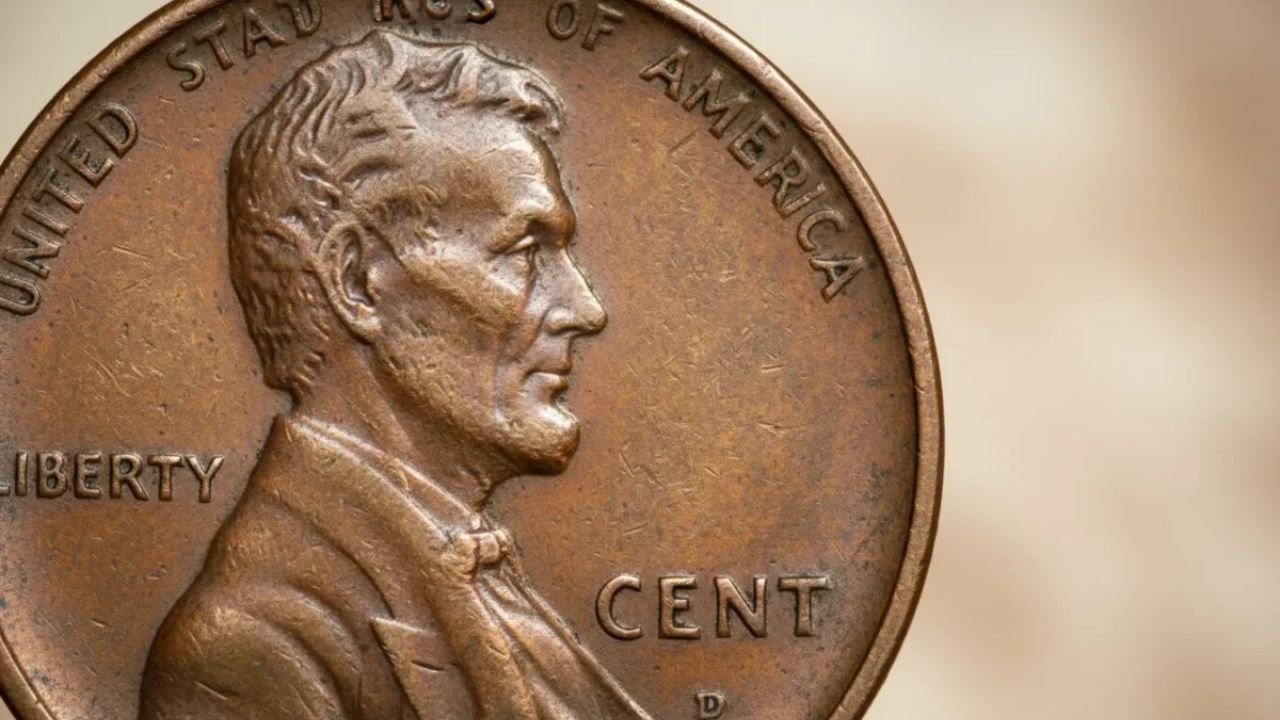
Few collectibles capture the imagination quite like rare coins, and among them, the Lincoln Wheat Penny holds a unique place. At first glance, it is just a humble one-cent coin, but its history, rarity, and the occasional minting anomaly have turned it into a potential treasure. Stories of a Lincoln Wheat Penny valued at $110 million circulate among collectors and enthusiasts, raising the tantalizing question: could such a fortune still be hiding in your change?
A Brief History of the Lincoln Wheat Penny
Introduced in 1909, the Lincoln Wheat Penny was minted to commemorate the 100th anniversary of Abraham Lincoln’s birth. Designed by Victor David Brenner, it was the first U.S. coin to feature a real person. The reverse side displays two stylized wheat stalks, symbolizing prosperity and growth, which gave the coin its enduring nickname. Production continued through 1958, after which it was replaced by the Lincoln Memorial penny.
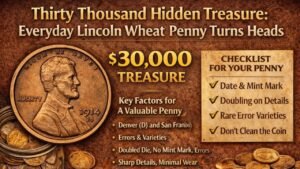
While most Wheat Pennies were ordinary circulation coins, their long production history and variations in minting created opportunities for rarity to emerge—some ordinary pennies became extraordinary over time.
What Makes Certain Wheat Pennies So Valuable?
The vast majority of Lincoln Wheat Pennies are worth only a few cents, yet a small number command staggering prices. The factors driving value include:
- Extremely low mintage: Coins struck in limited quantities are naturally scarce.
- Minting errors: Misprints, double dies, off-center strikes, or wrong metals can exponentially increase a coin’s value.
- Unique metal compositions: Some coins, like the 1943 bronze error, differ significantly from standard issues.
- Pristine condition: Coins that avoided wear and tear are more prized by collectors.
Certain rare Wheat Pennies have sold for hundreds of thousands, and in some cases, millions of dollars. Among these, the 1943 bronze Lincoln Wheat Penny is legendary.
The Myth of the $110 Million Penny

The notion of a Lincoln Wheat Penny worth $110 million is widely regarded as myth rather than fact. It likely stems from the 1943 bronze error coin, an anomaly during World War II when pennies were primarily made from steel due to copper shortages. A handful of bronze planchets from 1942 were mistakenly struck, creating an ultra-rare version of the 1943 penny. Only a few examples are known to exist, and while confirmed auction sales reach the low millions, the possibility of a perfect, undiscovered specimen has fueled speculative tales of astronomical valuations.
Could a Rare Penny Still Be in Circulation?
Absolutely. Wheat Pennies were minted in enormous quantities and circulated widely across the United States. While the chance of discovering an ultra-rare coin is slim, it’s not impossible. Forgotten jars of change, old coin collections, and family inheritances could hold a coin of extraordinary value. This potential is precisely what keeps collectors scouring their loose change and checking coin rolls at banks.
Identifying a Valuable Wheat Penny
For collectors or casual finders, spotting a rare Wheat Penny requires attention to detail. Here’s what to look for:
- Date and mint mark: Key dates include 1909-S VDB, 1914-D, 1922 (no D), and the 1943 bronze error.
- Weight differences: A 1943 bronze penny weighs about 3.11 grams, compared to 2.7 grams for the steel version.
- Magnet test: Steel pennies stick to a magnet, while bronze ones do not.
- Errors and anomalies: Double dies, off-center strikes, or missing mint marks can indicate higher value.
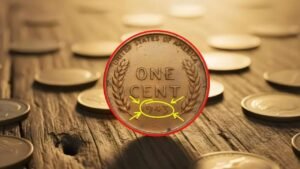
Professional authentication is essential. Even a seemingly minor detail can dramatically affect a coin’s market value.
Preserving the Value of a Wheat Penny
If you discover a potentially valuable Wheat Penny, resist the urge to clean or polish it. Cleaning can damage the coin and significantly reduce its worth. Keeping it in its original condition preserves both historical integrity and monetary value.
Reputable coin grading services and professional numismatists can verify authenticity and assess condition. For those serious about collecting or selling, this step is non-negotiable.
The Enduring Allure of the Wheat Penny
The fascination with rare Lincoln Wheat Pennies reflects more than just monetary value—it’s about history, rarity, and the thrill of discovery. Each coin is a tangible piece of early 20th-century America, a small artifact that tells a story of craftsmanship, economy, and cultural memory.
Even if the elusive $110 million coin remains purely in legend, the chance of finding a valuable penny is enough to keep collectors hopeful. A genuine Wheat Penny in your hand is more than just change; it is a tangible connection to history and the enduring human excitement of treasure hunting.
FAQs About Lincoln Wheat Pennies
Q1: Is there really a Lincoln Wheat Penny worth $110 million?
No confirmed sale exists. The figure is speculative and tied to myths about ultra-rare error coins.
Q2: What is the most valuable Lincoln Wheat Penny ever sold?
1943 bronze error pennies and 1909-S VDB examples have fetched millions at auction.
Q3: Can Wheat Pennies still appear in circulation today?
Yes, though they are uncommon. They occasionally turn up in old coin rolls or inherited collections.
Q4: How can I verify if my 1943 penny is rare?
Check if it sticks to a magnet. If it doesn’t, weigh it and have it professionally authenticated.
Q5: Should I clean an old penny before selling it?
Never. Cleaning reduces value and should be avoided.
Q6: Where can I get a Wheat Penny authenticated?
Professional numismatists and certified coin grading services can assess authenticity and condition.
Whether a collector or casual finder, the hunt for rare Lincoln Wheat Pennies remains a captivating journey. Every penny carries a story, and occasionally, a hint of life-changing fortune.