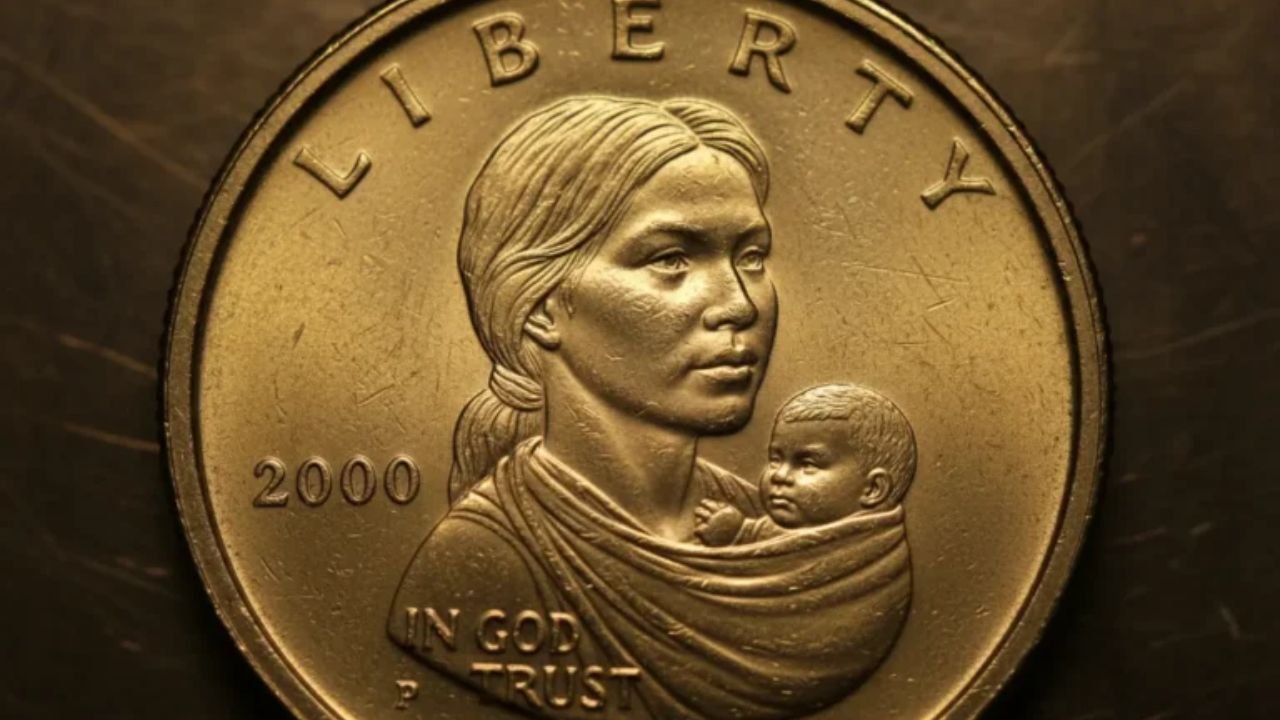
The Sacagawea dollar, introduced in 2000, may appear as a simple, everyday coin, yet certain examples have gained legendary status among collectors. Some rare Sacagawea dollars command astronomical prices—reaching millions—due to minting errors, unusual strikes, or exceptional preservation. Knowing how to identify these rare coins is essential for collectors hoping to spot a potential treasure.
What Makes a Sacagawea Dollar Rare
Rarity in Sacagawea dollars typically arises from production anomalies, low-mintage varieties, or historically significant issues. Key factors include:
- Minting errors: Off-center strikes, doubled dies, or misaligned design elements.
- Wrong planchets: Coins struck on blanks intended for another denomination or composition.
- Proof strikes: Uncommonly preserved coins from proof sets, especially with strong cameo contrast.
- Unique die varieties: Repunched dates, mint mark anomalies, or die clash marks.
Understanding which features to check first helps prioritize coins for professional evaluation and reduces the risk of overlooking a valuable find.
Tools You Need for Inspection
Even a basic inspection kit can reveal important details:
- 10x jeweler’s loupe or low-power microscope for fine details.
- Bright LED light and neutral background to reduce glare and color distortion.
- Digital scale and calipers to verify weight and diameter.
- Camera or smartphone for high-quality documentation.
- Reference materials such as PCGS Photograde, NGC Coin Explorer, and auction archives.
Key Features to Inspect
A methodical examination of the coin is critical. Inspect the obverse, reverse, edge, and rim carefully, documenting any irregularities.
Obverse Details
- Date clarity: Look for repunched or doubled digits, missing numerals, or inconsistencies.
- Die cracks or clash marks: Raised lines or ghosting patterns indicate unusual die activity.
- High relief or unusual details: Variations from standard strikes may suggest a proof or special strike.
Reverse Features
- Eagle and lettering: Examine for die doubling or repeated outlines on feathers, letters, or stars.
- Missing elements or filled fields: Planchet defects may obscure part of the design.
- Off-center strikes: Coins struck noticeably off-center often attract higher value.
Edge, Weight, and Composition
- Edge type: Early Sacagawea dollars have plain edges; later golden dollars include edge lettering.
- Weight and diameter: Verify using a scale and calipers against standard specifications.
- Magnet test: Sacagawea dollars are non-magnetic; attraction may indicate a counterfeit or altered planchet.
Common High-Value Error Types

Knowing typical error categories allows collectors to focus on coins with the greatest potential:
- Off-center strikes: The degree of misalignment directly affects value.
- Broadstrikes and misstrikes: Coins struck without a collar can expand beyond standard diameter.
- Mule errors: Extremely rare coins struck with mismatched dies intended for other denominations.
- Clipped or wrong-planchet strikes: Portions of the blank missing or struck on incorrect metal.
- Double dies and repunched mintmarks: Often cataloged and referenced in numismatic guides.
Professional Authentication and Grading
Once an unusual feature is identified, the next step is professional grading. Trusted services such as PCGS or NGC authenticate coins, assess condition, and assign a grade, providing buyers and collectors confidence in value.
Preparing for Submission
- Photograph the coin from multiple angles: obverse, reverse, edge, and close-ups of anomalies.
- Document discovery details and provenance when possible.
- Select the correct submission tier; many grading services have specialized protocols for error coins.
Real-World Case Study
A collector recently discovered a Sacagawea dollar in a jar of mixed coins. Initial inspection revealed an extreme off-center strike and die clash on the obverse. After professional grading, the coin attracted competitive bids at auction and sold for a five-figure sum. Key success factors included thorough documentation, expert authentication, and targeted marketing to error-coin collectors.
Checklist Before Selling or Submitting
- Photograph the coin clearly from all angles.
- Verify weight and dimensions against standard specifications.
- Compare with reference images from PCGS and NGC databases.
- Document chain of custody or discovery context.
- Be prepared for grading fees and processing time.
Final Tips for Collectors
Patience and methodical inspection are essential. Many valuable Sacagawea dollars are overlooked because collectors act hastily or fail to document details properly. Always authenticate coins before accepting high-value offers, and consider reputable auction houses or established dealer networks for sales beyond typical retail prices.
By following these steps, collectors significantly improve their chances of correctly identifying a rare Sacagawea dollar and realizing its full value—sometimes reaching the multi-million-dollar range.