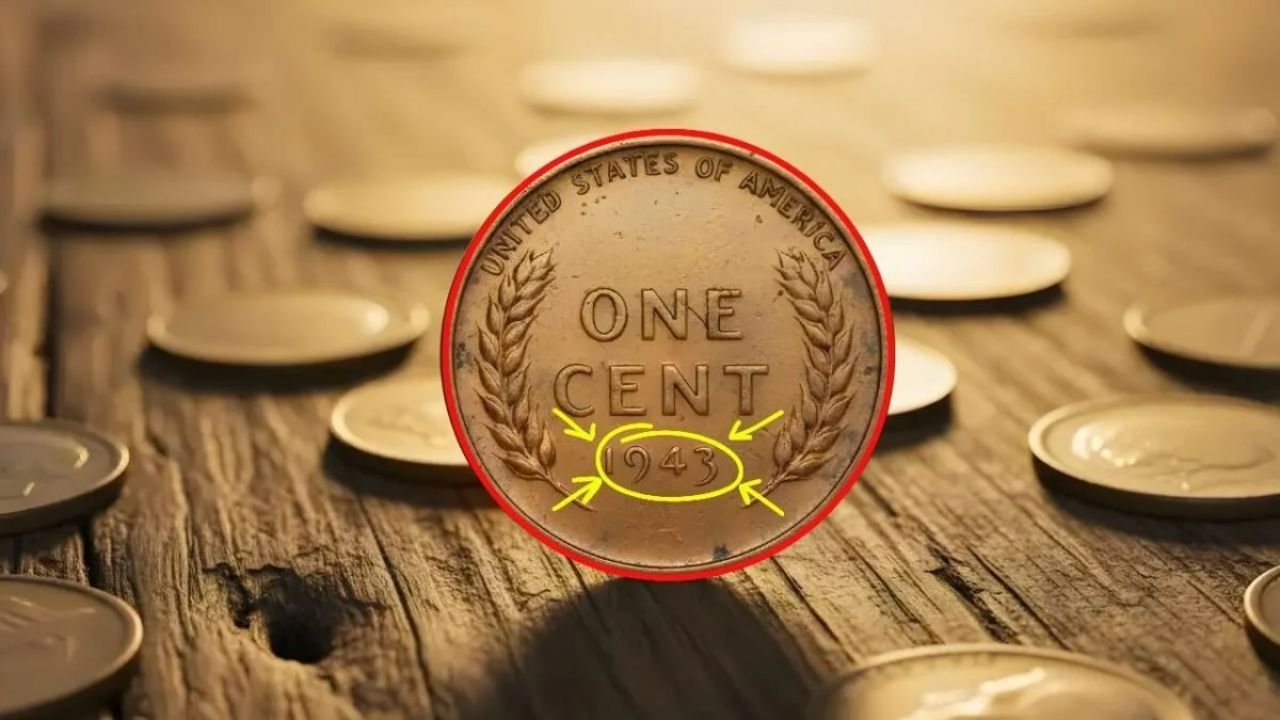
For most people, a Lincoln Wheat Penny is just a relic of the past—a small, copper-colored coin with little purchasing power. Yet for collectors and enthusiasts, certain Wheat Pennies represent history, rarity, and, in some cases, significant financial value. While discovering a high-value penny in everyday change is uncommon, it does happen, turning ordinary coins into extraordinary finds.
Why Some Lincoln Wheat Pennies Are So Valuable
The value of a Lincoln Wheat Penny goes far beyond its face value. Several factors can drive prices into the thousands:
- Low mintage dates: Coins from years with limited production are naturally scarce.
- Mint errors: Doubled dies, missing mint marks, or off-metal strikes create unique variations.
- Condition: Well-preserved coins with minimal wear are highly prized.
- Eye appeal: Color, luster, and overall visual quality impact collector interest.
Some of the most sought-after Wheat Pennies include:
| Wheat Penny Type | Year(s) | Why It Is Valuable |
|---|---|---|
| 1909-S VDB | 1909 | Very low mintage and iconic designer initials |
| 1914-D | 1914 | Scarce Denver mint issue |
| 1922 No D | 1922 | Missing mint mark variety |
| 1931-S | 1931 | Limited San Francisco production |
| 1943 Copper | 1943 | Wrong metal error; most were steel |
| 1955 Doubled Die Obverse | 1955 | Noticeable doubling on date and lettering |
High auction prices are typically achieved when a rare type appears in exceptional condition and has been verified by a reputable grading service.
Searching for a Rare Wheat Penny in Loose Change
Finding a valuable Wheat Penny in everyday circulation is rare, but a systematic approach improves the odds. Start by examining:
- Household coin jars, drawers, or old wallets
- Coin rolls from banks (with permission)
- Cash-intensive businesses that handle large quantities of coins
Key tools for a successful search include a 10x jeweler’s loupe, a digital scale to check weight, and a magnet to quickly test metal composition. Handle coins over a soft surface and use non-magnetic tweezers to avoid damage.
Key Features to Inspect
Before getting excited, check the coin carefully:
- Date and mint mark: Small differences can significantly affect rarity.
- Doubling: Look for doubled numbers or letters, which indicate a doubled die.
- Color and metal: Especially for 1943 cents, where copper examples are extremely rare.
- Weight and magnetism: Steel cents stick to magnets; copper does not. Weighing the coin can reveal metal anomalies.
Magnification helps distinguish genuine mint errors from ordinary wear or corrosion.
What to Do If You Find a Valuable Penny
If you suspect you have a rare Wheat Penny, resist cleaning it, as this can permanently reduce value. Handle the coin by its edges, document it with clear photographs, and note where it was found to help establish provenance.
Next, consult a reputable local coin dealer for an initial opinion. If the coin appears promising, submit it to a recognized grading service such as PCGS or NGC. Certified grading provides authenticity, assigns a standardized condition grade, and greatly enhances marketability.
Real-World Example
A casual collector once sorted a jar of mixed coins and noticed a darker Wheat Penny from the 1940s that felt heavier than usual. Under magnification, subtle doubling and unusual metal color were apparent. After professional grading confirmed its rarity, the coin sold at auction for several thousand dollars—far exceeding expectations.
Maximizing Value When Selling
Proper grading and encapsulation increase buyer confidence and typically boost realized prices. Selling through experienced auction houses or dealers specializing in U.S. cents is recommended. Keep supporting documentation such as grading reports and photos, and compare multiple offers to ensure you receive fair market value.
Final Verdict
While discovering a rare Lincoln Wheat Penny in loose change is uncommon, it is far from impossible. Knowledge of key dates, careful inspection, and professional verification can transform an overlooked cent into a valuable collectible. Patience, diligence, and research remain the collector’s most important tools for uncovering and maximizing the potential of these historical coins.
Even a single Wheat Penny can be more than just a coin—it can be a tangible piece of American history and, in rare cases, a financial treasure.
Disclaimer: Coin values fluctuate based on condition, demand, and market trends. Always consult professional numismatists or certified grading services before buying or selling rare coins.