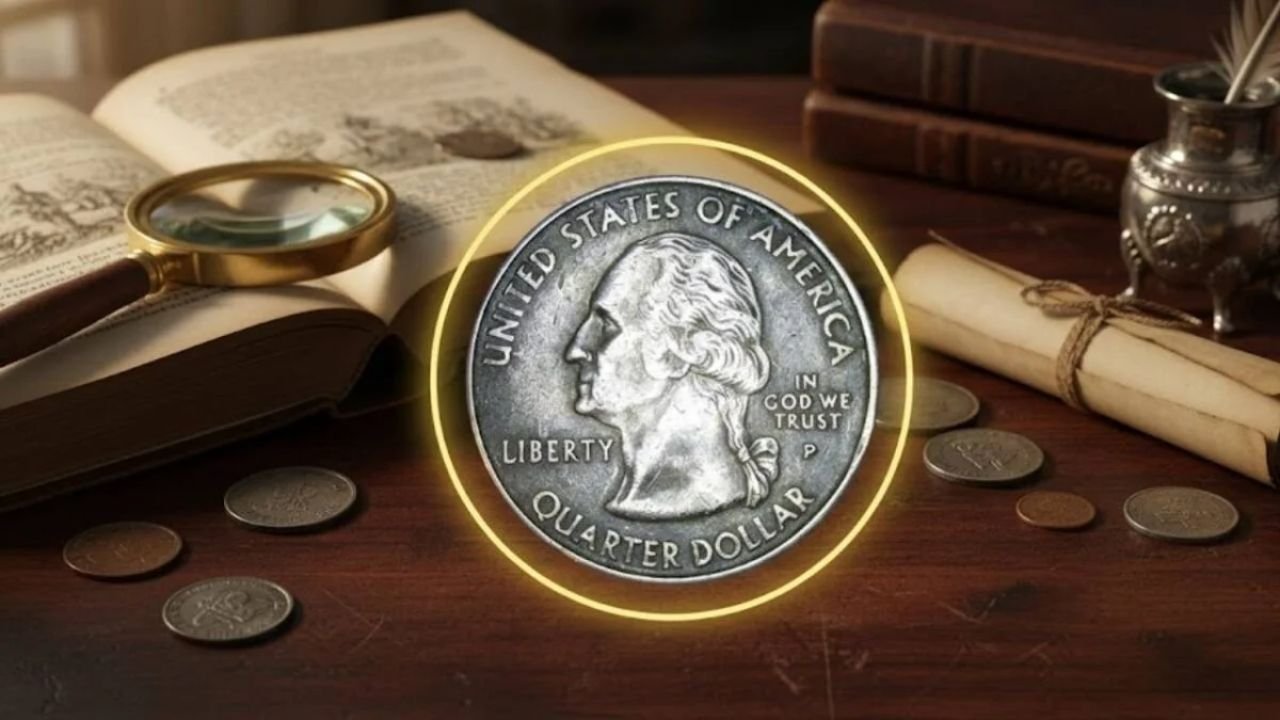
The U.S. State Quarters Program, launched in 1999 and concluded in 2008, transformed the way Americans interacted with everyday change. For the first time in generations, millions began examining quarters closely, hoping to spot something special. Over two decades later, collectors continue to uncover surprises. In 2026, certain state quarters remain highly sought after, with a small number commanding far more than their 25-cent face value.
After 11 years of hands-on collecting, roll searching, and market observation, clear patterns have emerged about which state quarters matter, why some rise in value, and what collectors can realistically expect today.
A Quick Overview of the State Quarters Program
The program released five new state designs each year, following the chronological order in which states joined the Union. Over 34 billion coins were minted, making most state quarters extremely common. Because of this enormous production, value depends almost entirely on condition, mint errors, and scarcity within high grades—not age.
Most circulated quarters remain worth just 25 cents. However, uncirculated examples, proof coins, and error varieties tell a very different story, offering opportunities for collectors to acquire pieces with significant value.
State Quarters That Carry Real Value in 2026
While no state quarter commands seven-figure prices, some issues consistently attract attention and sell for impressive sums.
1999-P Delaware “Spitting Horse” Error

This notable error features a raised die crack that resembles spittle from the horse’s mouth. Circulated coins typically fetch $10–$30, while uncirculated examples can sell for $75 to $150 or more.
2004-D Wisconsin Extra Leaf (High & Low)
These varieties display an additional leaf on the corn husk, making both the “high” and “low” leaf versions collectible. Prices generally range from $40 to $200 depending on condition, with certified mint-state coins exceeding $300.
1999-P Georgia and Connecticut (High Grade)
High-grade specimens of these two issues are notoriously difficult to locate. Coins graded MS67 or higher can command $1,000 to $4,000, making them hidden gems for collectors who pay attention to condition.
2008-D Oklahoma (Die Cracks)
Certain Oklahoma quarters show dramatic die breaks and cracks. Minor cracks sell for $10–$25, while bold, uncirculated examples can fetch $100 or more.
Proof and Silver State Quarters
From 1999 to 2008, the U.S. Mint issued proof state quarters in both clad and 90% silver. Clad proofs generally sell for $2–$6 each, depending on condition. Silver proofs are far more desirable, often trading for $8–$20 per coin in 2026, with complete silver proof sets achieving higher premiums.
Why Condition Matters More Than Age
Long-term collectors consistently find that condition is the single most important factor in value. A common quarter in circulated condition is worth only 25 cents, while the same coin graded MS68 by a professional service can sell for hundreds or even thousands of dollars.
This emphasis on condition explains why most valuable state quarters are no longer found in pocket change—they come from mint sets, preserved rolls, or untouched collections.
Lessons from 11 Years of Collecting
Careful collectors quickly learn that hype fades, but true scarcity endures. Many viral claims about “million-dollar quarters” fail under scrutiny. Coins that consistently hold value over time share three key traits:
- Documented mint errors – clear anomalies that distinguish the coin from ordinary circulation issues.
- Exceptional mint-state condition – flawless or near-flawless coins attract consistent demand.
- Strong collector demand – registry sets and variety collectors sustain long-term interest.
Patience is equally important. State quarters rarely skyrocket in value overnight. Instead, their worth grows gradually as pristine examples are removed from circulation and grading populations stabilize.
Should You Still Check Your Change in 2026?
Yes—but with realistic expectations. The odds of finding a major error or ultra-high-grade coin in everyday circulation remain slim. However, minor errors, uncirculated pieces, and overlooked varieties continue to surface, especially in old rolls or inherited collections. Searching through bank rolls and mint sets is far more effective than relying on pocket change.
Final Thoughts
In 2026, state quarters continue to reward diligent collectors rather than lucky gamblers. Most quarters are worth face value, but select errors, silver proofs, and high-grade survivors demonstrate that modern coins can still hold significant value. After 11 years of focused collecting, one lesson stands out: knowledge, condition, and patience matter far more than age.
If you have state quarters tucked away, now is an excellent time to examine them. Hidden treasures often remain out of sight, waiting for careful eyes and informed collectors to uncover their true worth.