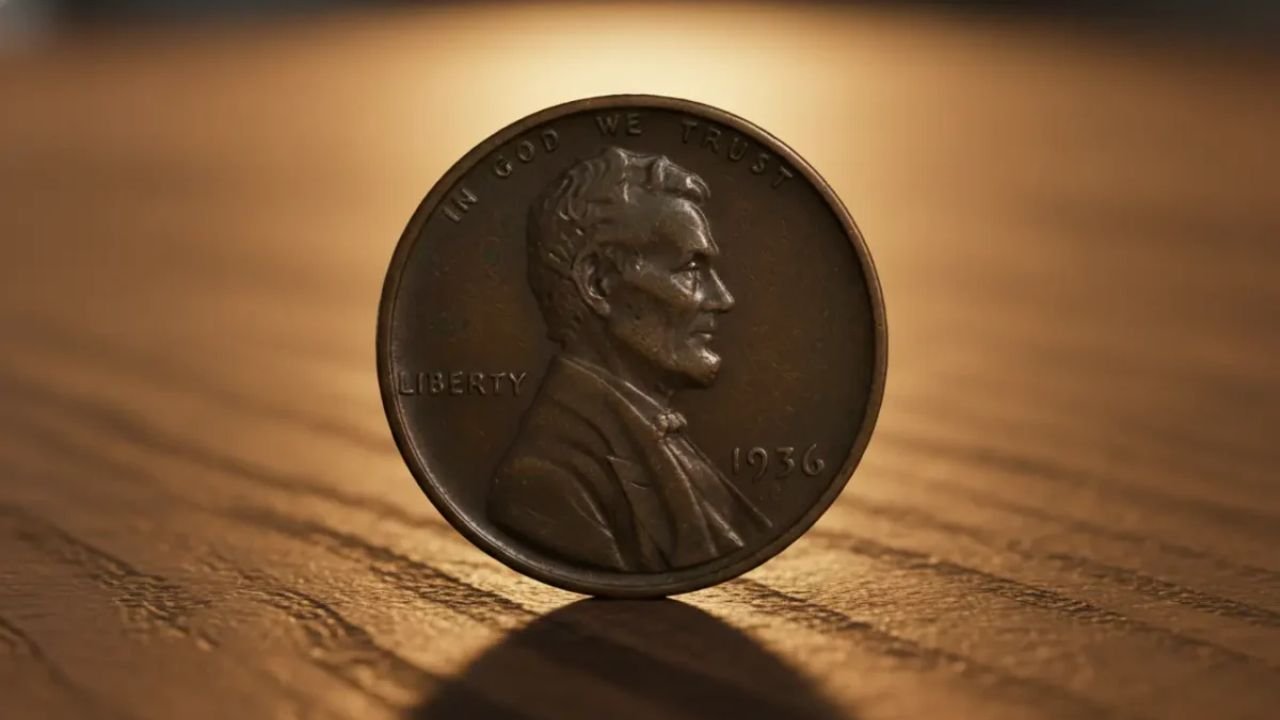
Few coins capture the spirit of American history like the Lincoln Wheat Penny. First introduced in 1909, this modest copper coin has witnessed over a century of economic shifts, cultural change, and national milestones. More than just currency, the Wheat Penny represents a tangible link to the past, cherished by collectors and history enthusiasts alike.
The Birth of an Icon (1909)
The Lincoln Wheat Penny was struck to commemorate the 100th anniversary of President Abraham Lincoln’s birth, making it the first U.S. coin to feature a real person in regular circulation. Sculpted by Victor David Brenner, the obverse displays Lincoln’s dignified profile, while the reverse showcases two wheat stalks framing the words “ONE CENT” and “UNITED STATES OF AMERICA.”
- Symbolism: The wheat stalks represented prosperity, unity, and America’s agricultural strength.
- Innovation: Lincoln’s portrait on a circulating coin marked a departure from abstract allegorical designs, giving the penny a human connection.
- Collector significance: Early issues, particularly those from Philadelphia, Denver, and San Francisco, created mint varieties still sought by collectors today.

This introduction not only honored Lincoln but also set a new standard for commemorative U.S. coinage.
A Coin Through Changing Times
The Early Years
From 1909 through the 1920s, Wheat Pennies circulated amid rapid industrialization and social change. These coins were a part of everyday life, passing through countless hands while quietly chronicling a transforming nation.
The Great Depression Era
During the 1930s, Wheat Pennies became symbols of stability. Even as families endured economic hardship, the penny retained its role in commerce and daily life, quietly bearing witness to resilience and perseverance.
World War II and the Steel Penny

One of the most fascinating chapters in the Wheat Penny story came in 1943. Copper, needed for the war effort, was diverted to munitions, and pennies were instead struck in zinc-coated steel, giving them a silver-like appearance.
- Rarity: Some 1943 copper pennies were mistakenly produced, creating highly valuable errors today.
- Historical value: These coins connect collectors to the wartime economy and resource conservation efforts.
- Collector interest: 1943 steel pennies and copper errors are among the most recognizable and sought-after Wheat Pennies.
These variations exemplify how historical events can leave a lasting imprint on everyday objects.
Design That Stood the Test of Time
The Wheat Penny design remained in circulation until 1958, making it one of the longest-running U.S. coin designs. In 1959, the wheat stalks were replaced by the Lincoln Memorial, marking the end of an era. Despite its simplicity, the Wheat Penny resonated deeply with Americans, becoming a nostalgic symbol recognized across generations.
- Legacy: Millions grew up familiar with the wheat motif, creating emotional and historical attachment.
- Aesthetic appeal: The clean, balanced design continues to be admired by numismatists.
- Cultural resonance: It serves as a reminder of everyday life and small moments preserved in coinage.
Rarity, Errors, and Collector Value
While many Wheat Pennies are common, specific dates and mint errors have skyrocketed in value:
- 1909-S VDB: One of the most famous and valuable pennies in U.S. history.
- 1914-D: Scarce due to low mintage.
- 1943 Copper Penny: A legendary minting error commanding enormous prices.
- 1955 Double Die: Famous for dramatic doubling on the obverse, making it instantly recognizable.
Collectors seek these rare examples, some selling for thousands—or even millions—of dollars, transforming the Wheat Penny from spare change into serious investment-grade coinage.
Why the Lincoln Wheat Penny Still Matters
The Wheat Penny is more than a coin—it’s a reflection of:
- America’s values and leadership: Lincoln’s image symbolizes integrity, perseverance, and unity.
- Economic history: From industrial growth to the Great Depression and wartime adjustments, the penny was a witness to national change.
- Generational connection: Many collectors remember discovering these coins in family jars, linking personal stories to broader history.
These qualities ensure that the Lincoln Wheat Penny remains relevant, collectible, and deeply valued beyond its metal content.
Conclusion
The Lincoln Wheat Penny stands as a timeless emblem of American heritage. From its groundbreaking 1909 design to its final minting in 1958, it chronicles nearly fifty years of history, culture, and everyday life. For collectors and enthusiasts, the Wheat Penny is more than a coin—it is a story, a legacy, and a tangible connection to the past.
Even the smallest coin can hold immense historical significance, and the Lincoln Wheat Penny proves that sometimes, history fits right in your pocket.