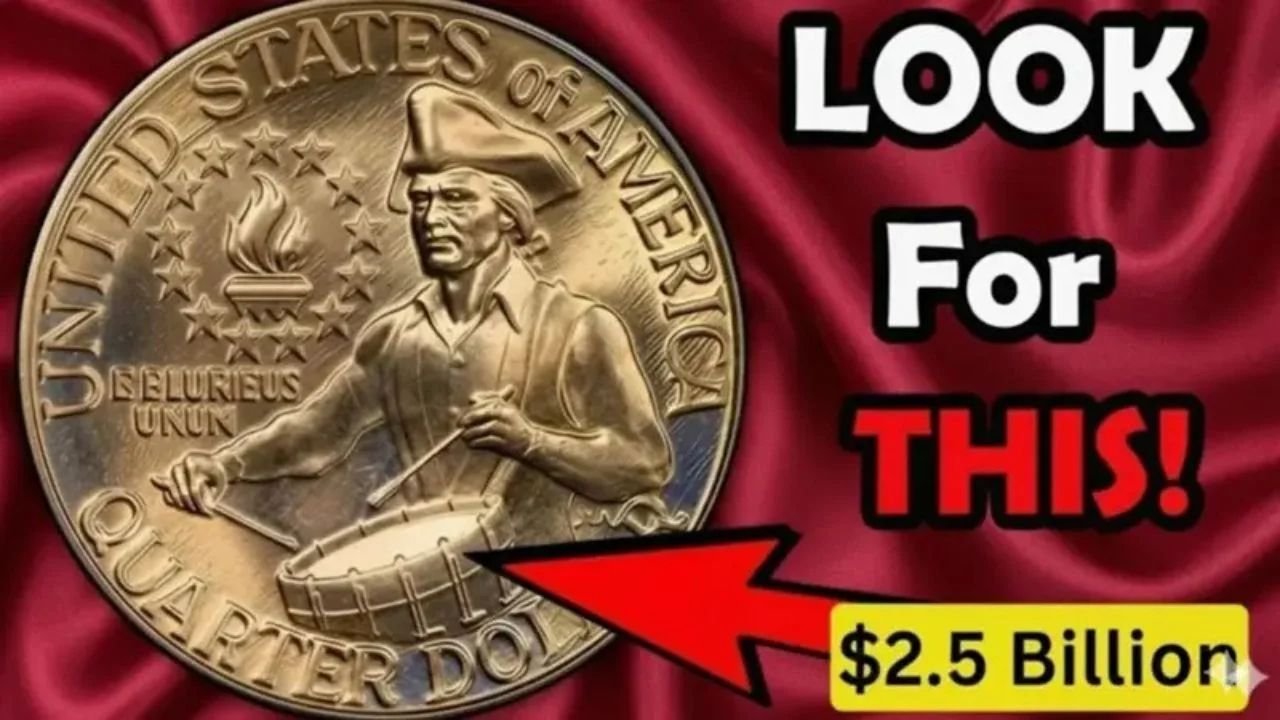
The 1976 Bicentennial quarter is an enduring symbol of American history. Struck to celebrate the United States’ 200th anniversary, it features a colonial drummer on the reverse and the dual date 1776–1976. While millions of these coins were minted, most remain commonplace and worth only face value. Yet, hidden among circulation coins, special silver issues, high-grade examples, and striking errors continue to capture the attention of collectors—and some are worth far more than a quarter.
Here’s a detailed guide to the most collectible 1976 Bicentennial quarters still in circulation and why they command a premium.
1. 1976-S Silver Bicentennial Quarter
The 1976-S silver quarter is among the most sought-after Bicentennial coins. Minted in San Francisco and originally sold in collector sets, this version contains 40% silver—unlike the standard copper-nickel quarters. Occasionally, these coins escape into circulation, creating rare opportunities for collectors.
- Identification: Look for a smooth silver edge—no copper stripe.
- Value range: Worn examples sell for $8–$15, proof or high-grade coins fetch $50–$300+, and perfectly graded specimens can exceed $1,000.
- Collector appeal: The combination of silver content and San Francisco minting makes it highly desirable.
Silver coins from this era are especially attractive for both aesthetic and investment reasons.
2. 1976-S Silver Uncirculated Quarter
Distinct from proofs, the 1976-S uncirculated silver quarter was struck as a business-strike coin but still contains 40% silver. Though less flashy than proofs, these coins are equally valuable when authenticated.
- Strike characteristics: Slightly softer than proofs, with fewer distinguishing features.
- Value range: $10 to $250, depending on condition.
- Rarity factor: Harder to identify and often overlooked, making them a hidden gem for savvy collectors.
Collectors often prize these uncirculated coins for their subtle beauty and rarity in circulation.
3. Double Die Error Bicentennial Quarters
Errors in minting can dramatically increase a coin’s value, and double die Bicentennial quarters are a prime example. Misaligned dies produce doubled letters or numbers, creating a striking visual anomaly.
- Common areas for doubling: “LIBERTY,” “IN GOD WE TRUST,” and the dual date “1776–1976.”
- Value: Minor doubling ranges from $100–$300, while strong, clear doubling can exceed $1,000.
- Collector tip: Use a magnifying glass and distinguish true doubling from machine doubling.
Double die errors are coveted because they are visually distinct and historically interesting, making them premium finds in circulation.
4. High-Grade 1976-D and No-Mintmark Quarters
Most Bicentennial quarters came from Philadelphia (no mintmark) or Denver (D). While common in circulated condition, high-grade or near-perfect examples are scarce and increasingly valuable.
- Condition matters: MS67 or higher grades are rare due to decades of circulation.
- Value range: Circulated coins remain at 25¢, but uncirculated high-grade examples can reach $100–$500+.
- Collector focus: Preserving pristine condition significantly boosts collectible appeal.
Even ordinary coins can transform into prized collectibles when condition and grade are exceptional.
5. Major Mint Errors Worth Big Money
Some Bicentennial quarters left the mint with dramatic mistakes that command high prices. These errors are less common but highly prized for their uniqueness.
- Notable errors include: Off-center strikes, missing clad layers, wrong planchet strikes, and clipped planchets.
- Value range: Minor errors can sell for $75, while rare, authenticated mistakes reach several thousand dollars.
- Collector interest: Coins with obvious visual errors are particularly attractive for their rarity and distinctiveness.
These mistakes highlight the unpredictability of minting and offer collectors the chance to own something truly one-of-a-kind.
How to Identify Valuable Bicentennial Quarters
- Check the edge: Silver coins are easily distinguished by the absence of the copper core.
- Examine details: Look for doubling, missing design elements, or minting errors.
- Avoid cleaning: Cleaning reduces value by damaging surfaces and reducing collector appeal.
- Consider professional grading: Authentication can significantly increase a coin’s market value.
Even subtle details can dramatically impact a coin’s collectible worth.
Final Thoughts
Most 1976 Bicentennial quarters in circulation are worth only face value, but silver issues, high-grade coins, and rare mint errors can fetch hundreds or even thousands of dollars. Because many of these coins remain in circulation, anyone could stumble upon a valuable piece of American history.
Before spending a Bicentennial quarter, examine it closely—it could be more than just a coin; it could be a hidden treasure worth discovering.