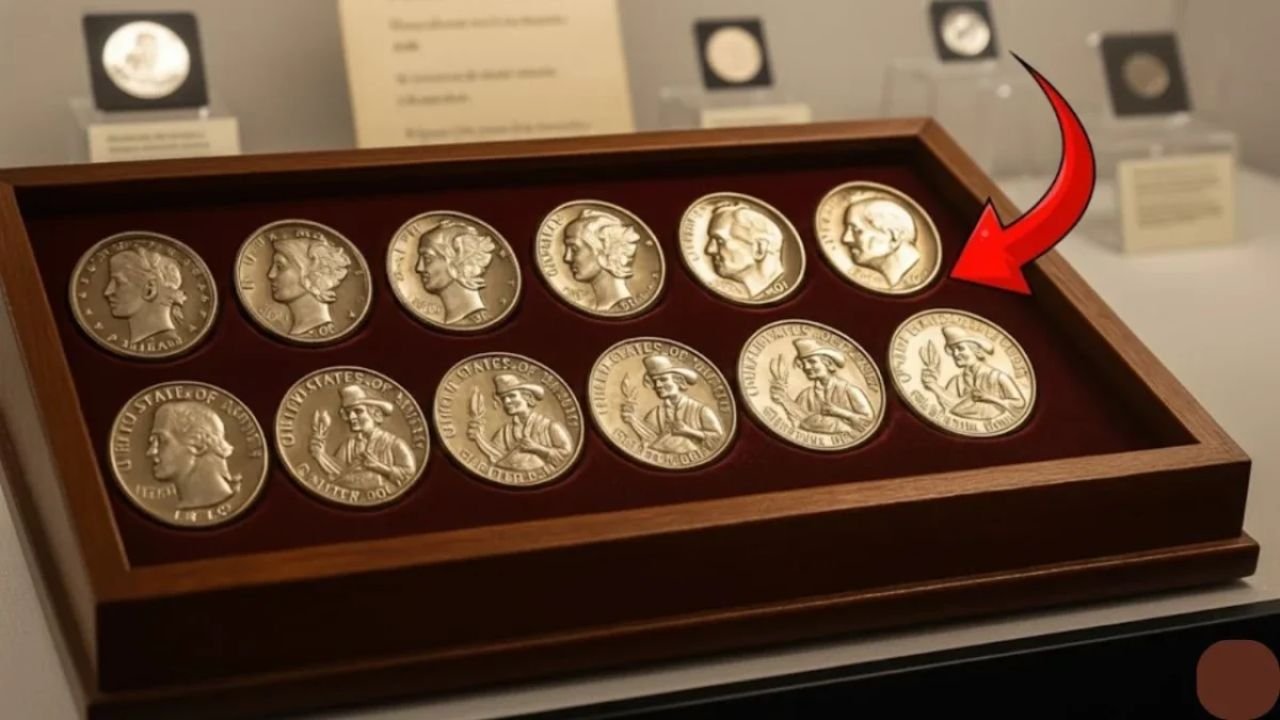
In 1976, the United States celebrated 200 years of independence, and this milestone was reflected even in everyday currency. To commemorate the Bicentennial, the U.S. Mint released a special quarter with a redesigned reverse. Instead of the traditional eagle, the coin features a colonial drummer boy holding a torch, surrounded by thirteen stars representing the original colonies. The obverse continues to display George Washington, with the date uniquely shown as “1776–1976,” making the coin instantly recognizable.
While millions of these quarters were produced and circulated, a very small number possess unusual traits that make them extraordinarily valuable—some reportedly worth as much as $270 million each.
Why Some Bicentennial Quarters Are Considered Extremely Rare
Rarity isn’t solely determined by age. Certain Bicentennial Quarters stand out due to anomalies during production. These may include:
- Minting errors: Doubled images, off-center strikes, or missing design elements.
- Unusual metal composition: While most quarters are copper-nickel, a few may have been struck on experimental or incorrect planchets.
- Excellent preservation: Coins that remain in near-perfect condition are highly sought after.
When these factors combine, even a modern coin can become a prized collector’s item.
Bicentennial Quarter Overview
| Feature | Details |
|---|---|
| Year Issued | 1976 |
| Special Date | 1776–1976 |
| Reverse Design | Colonial drummer boy with torch |
| Common Metal | Copper-nickel |
| Rare Variations | Mint errors, unusual planchets |
| Circulation Status | Occasionally found |
| Collector Interest | High for error and rare pieces |
The Importance of Condition and Preservation
Condition is critical in determining a coin’s value. Coins showing no visible wear, scratches, or discoloration are far more valuable than those that circulated heavily. Professional grading at the highest levels can dramatically increase a coin’s market appeal.
- Originality matters: Coins that have never been cleaned or altered retain their natural surfaces.
- Impact on value: Even a rare coin can lose significant value if mishandled or improperly stored.
- Collector standards: Mint luster, sharp details, and unblemished surfaces are key indicators of top-tier coins.
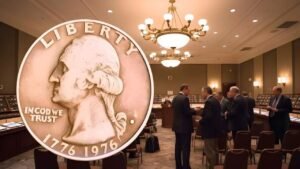
Maintaining proper condition ensures that rare Bicentennial Quarters reach their full potential in the collector market.
How to Identify a Special Bicentennial Quarter
Genuine Bicentennial Quarters carry the “1776–1976” date beneath Washington’s portrait, and the reverse should clearly depict the drummer boy. Beyond this, collectors look for:
- Color or surface variations: Unexpected tones or textures can indicate rarity.
- Weight differences: Deviations from standard copper-nickel composition may signify a special strike.
- Mint marks: Philadelphia coins have no mint mark, Denver coins show a “D,” and San Francisco coins display an “S.” Irregularities in these details can hint at exceptional examples.
Professional authentication is strongly recommended to confirm a coin’s rarity and grade.
What to Do If You Find a Rare Coin
Handling rare coins carefully is essential:
- Hold coins by the edges to avoid fingerprints.
- Avoid cleaning, as this can permanently reduce value.
- Store in protective holders to prevent damage.
- Seek professional evaluation from reputable grading services such as PCGS or NGC.
Proper handling and authentication are critical steps in preserving both historical significance and market value.
Why These Coins Matter Beyond Money
Bicentennial Quarters represent more than currency—they mark a historic moment when a nation reflected on its identity. Rare examples tell a deeper story, combining historical significance with the unpredictability of the minting process.
For collectors, these coins are not just investments; they are tangible pieces of history that connect the past with the present. Owning one is a way to preserve a slice of American heritage while participating in a vibrant collector community.
Frequently Asked Questions
Are all Bicentennial Quarters valuable?
No. Most are worth only face value. Only coins with rare errors, unusual materials, or exceptional condition carry significant value.
Can rare Bicentennial Quarters still be found in circulation?
While unlikely, some rare coins do surface in everyday change even decades after release.
Should I clean an old quarter before appraisal?
Never. Cleaning can damage the coin and significantly lower its value.
Where can I get my coin checked?
Professional grading services like PCGS or NGC are the most reliable options for authentication.
Is the high value of these coins guaranteed?
No. Value depends on rarity, condition, demand, and verified authenticity.
Even today, a careful search through coin jars, old collections, or inherited change could reveal one of these extraordinary Bicentennial Quarters, offering collectors a rare opportunity to own a piece of American history worth millions.