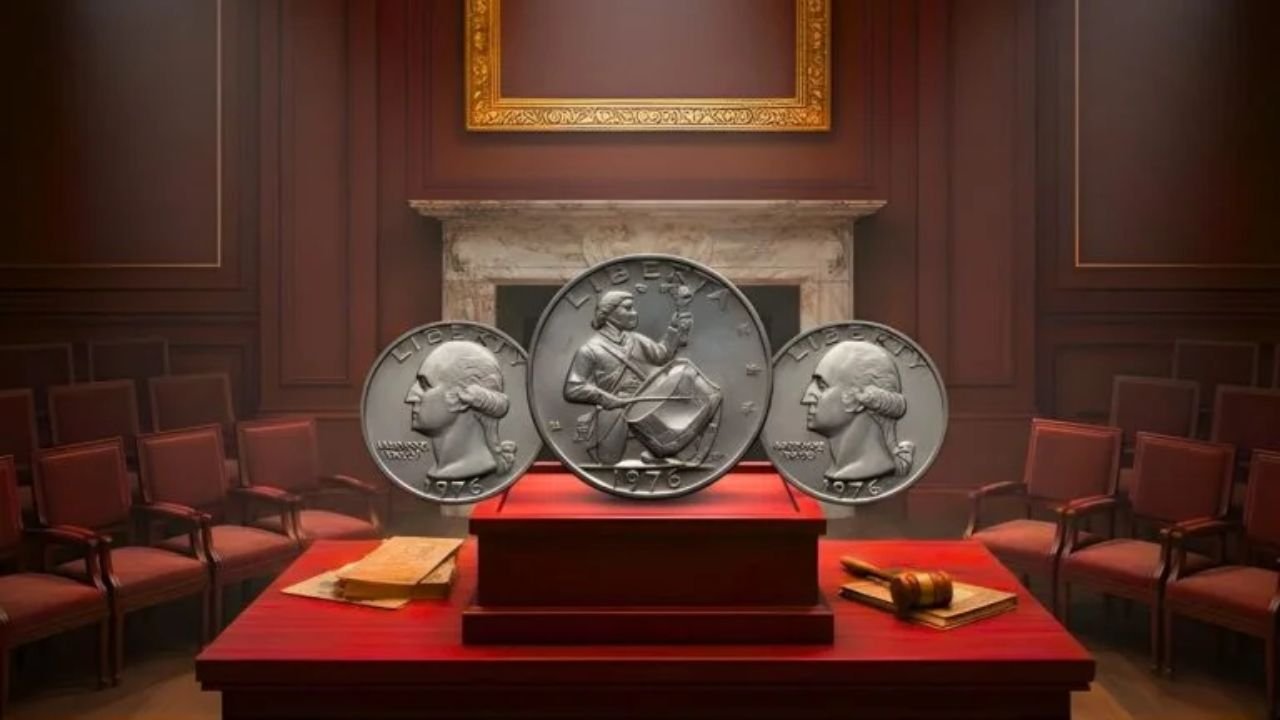
The 1976 Bicentennial Quarter stands as one of the most iconic commemorative coins in modern U.S. numismatics. Minted to celebrate America’s 200th anniversary, this quarter features the dual date 1776–1976 and a striking Drummer Boy design on the reverse. While millions were produced for circulation, a select few possess traits that make them highly valuable to collectors. From silver strikes to minting anomalies, understanding what sets these rare coins apart is essential for anyone seeking to capitalize on the enduring appeal of the Bicentennial Quarter.
Quick Value Snapshot for Rare 1976 Bicentennial Quarters
| Variety or Feature | Typical Value Range (USA) | High-End Value (USA) | Key Identifier |
|---|---|---|---|
| 40% Silver Strike | $10–$25 | $150+ | Brighter silver tone, thicker edge |
| Doubled Die Error | $40–$150 | $600+ | Doubling on date or lettering |
| Off-Center Strike | $20–$90 | $400+ | Noticeable shift in the strike |
| High-Grade MS67+ | $60–$250 | $900+ | Clean surfaces, strong luster |
| Proof Deep Cameo Error | $80–$350 | $1,200+ | Frosted details, reflective fields |
| Unique or Major Mint Error | $300+ | $5,000+ | Rare or dramatic anomalies |
This table illustrates how specific characteristics, from silver content to minting errors, can significantly increase a coin’s market value.
Why Collector Interest Remains Strong
The 1976 Bicentennial Quarter continues to captivate collectors due to its historical significance, portability, and the potential for discovery in circulation. Many rare examples surface in old coin rolls, forgotten collections, or even pocket change, keeping the market vibrant. The Drummer Boy design, combined with the dual date, makes this quarter both a symbol of national pride and a tangible piece of history for collectors of all experience levels.
Key Features That Influence Value
Design Details
Collectors examine the precision of stars, the clarity of the drummer’s uniform, and the sharpness of drum lines. Even subtle differences in surface texture, rim strength, or reflective quality can indicate a rare strike worthy of professional grading.
Metal Composition and Strike Type
Rare silver-clad quarters, particularly 40% silver strikes, command premiums due to both intrinsic metal content and collector demand. Off-center strikes, doubled dies, and unusual alloy compositions are other traits that elevate a coin’s value.
Condition and Preservation
A coin’s grade heavily influences market performance. Pieces with bright luster, smooth surfaces, and minimal wear—particularly those graded MS67 or higher—can multiply in value compared to common circulation examples. Exceptional craftsmanship, including crisp details and unmarked fields, further increases desirability.
Minting Variations Creating Rarity
The production processes of the 1970s occasionally produced unexpected results. Doubled dies, alloy variations, off-center strikes, broadstrikes, and accidental silver-clad issues all contribute to the rarity of certain Bicentennial Quarters. Collectors actively seek these anomalies as they are often the most valuable in both auctions and private sales.
Market Trends and Outlook
In 2025, the market for rare 1976 Bicentennial Quarters remains robust. Coins authenticated and graded by services like PCGS and NGC achieve higher resale prices, with high-grade examples and those exhibiting minting errors generating particular interest. Online auctions and transparent marketplaces have increased accessibility, connecting collectors worldwide and driving competitive bidding.
Authentication and Grading
Professional verification is essential. Rare Bicentennial Quarters are sometimes counterfeited or artificially altered to appear more valuable. Grading services assess metal composition, confirm die characteristics, and encapsulate coins to protect long-term value. Certified coins consistently achieve stronger performance in the marketplace.
Collector Appeal
Rare 1976 Bicentennial Quarters attract both new and seasoned collectors due to their historical significance and potential for financial gain. While common quarters remain in circulation with modest value, coins with silver composition, minting errors, or exceptional preservation offer a tangible, collectible asset.
Current Pricing and Availability
Most 1976 Bicentennial Quarters encountered today are common and worth face value. However, authenticated rarities can command significant premiums. Newly discovered examples periodically appear, keeping collector interest alive and making the search for a valuable quarter both exciting and potentially profitable.
Final Verdict
The 1976 Bicentennial Quarter continues to hold a special place in American coin collecting. While most coins remain ordinary, a select few—featuring rare errors, silver-clad compositions, or superior condition—can be highly valuable. For collectors, the pursuit of these quarters offers both historical connection and the thrill of discovery, proving that even small coins can carry big rewards.
Whether a coin sits in a jar, a bank roll, or a long-forgotten collection, the opportunity to uncover a rare Bicentennial Quarter remains a compelling quest for collectors seeking a piece of American history.